Dry Needling
A safe, effective treatment to reduce pain and muscle tension while improving mobility.
What Exactly Is Dry Needling?
A modern, science-based approach to treating painful muscle and soft-tissue dysfunction.
Dry needling is performed by a licensed physical therapist to relieve pain, decrease muscle tension, and improve mobility. During treatment, a sterile acupuncture needle is inserted through the skin into affected muscles, tendons, or ligaments. Although the needle is similar, dry needling is not acupuncture; it is based on modern study of the musculoskeletal and neuromuscular systems and Western medicine principles.
By addressing the involved tissue, dry needling can create an environment that enhances the body’s ability to heal and helps reduce pain.
Conditions Dry Needling May Help
Your physical therapist will determine whether dry needling is appropriate after a comprehensive evaluation.
Knox Physical Therapy uses dry needling for a wide variety of musculoskeletal concerns, including acute and chronic injuries, overuse injuries, and delayed onset muscle soreness. It is often paired with exercise-based physical therapy and advanced manual therapy techniques.
Neck, Back & Sciatica
Dry needling may help address neck pain, headaches, back pain, sciatica, muscle spasms, and muscle strains.
Joint & Tendon Pain
This treatment has been used for tendinitis, knee pain, hip pain, tennis elbow, golfer’s elbow, and other overuse-related concerns.
Persistent Muscle Pain
Dry needling may be considered for people managing chronic pain, fibromyalgia, ongoing muscle tension, or recurring movement-related discomfort.
What to Expect During Treatment
Comfort, safety, and an individualized plan guide every visit.
Most patients report little to no discomfort during dry needling. Some people experience a brief “twitch response,” similar to a quick muscle cramp or ache. Mild muscle soreness can occur for 24 to 48 hours afterward and should resolve on its own. Ice or heat packs and plenty of fluids can help manage soreness at home.
Your physical therapist begins with a comprehensive evaluation, considers your condition and medical history, and explains whether dry needling is the best course of treatment. When appropriate, it can help speed recovery and support a return to daily activities.
Part of a Complete Recovery Plan
Dry needling may be combined with hands-on care and movement-based rehabilitation.
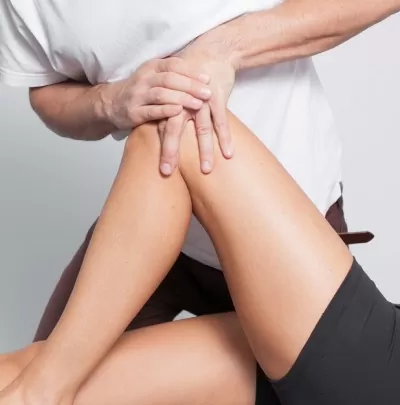
Manual Therapy
Hands-on techniques can complement dry needling by addressing mobility restrictions and supporting comfortable movement.

Therapeutic Exercise
Targeted exercise helps restore strength, range of motion, and function as pain and muscle tension improve.

Physical Therapy
Your plan is tailored to your symptoms, goals, medical history, and the activities you want to return to.